Nissi Beach in Winter: What to Expect from December to March
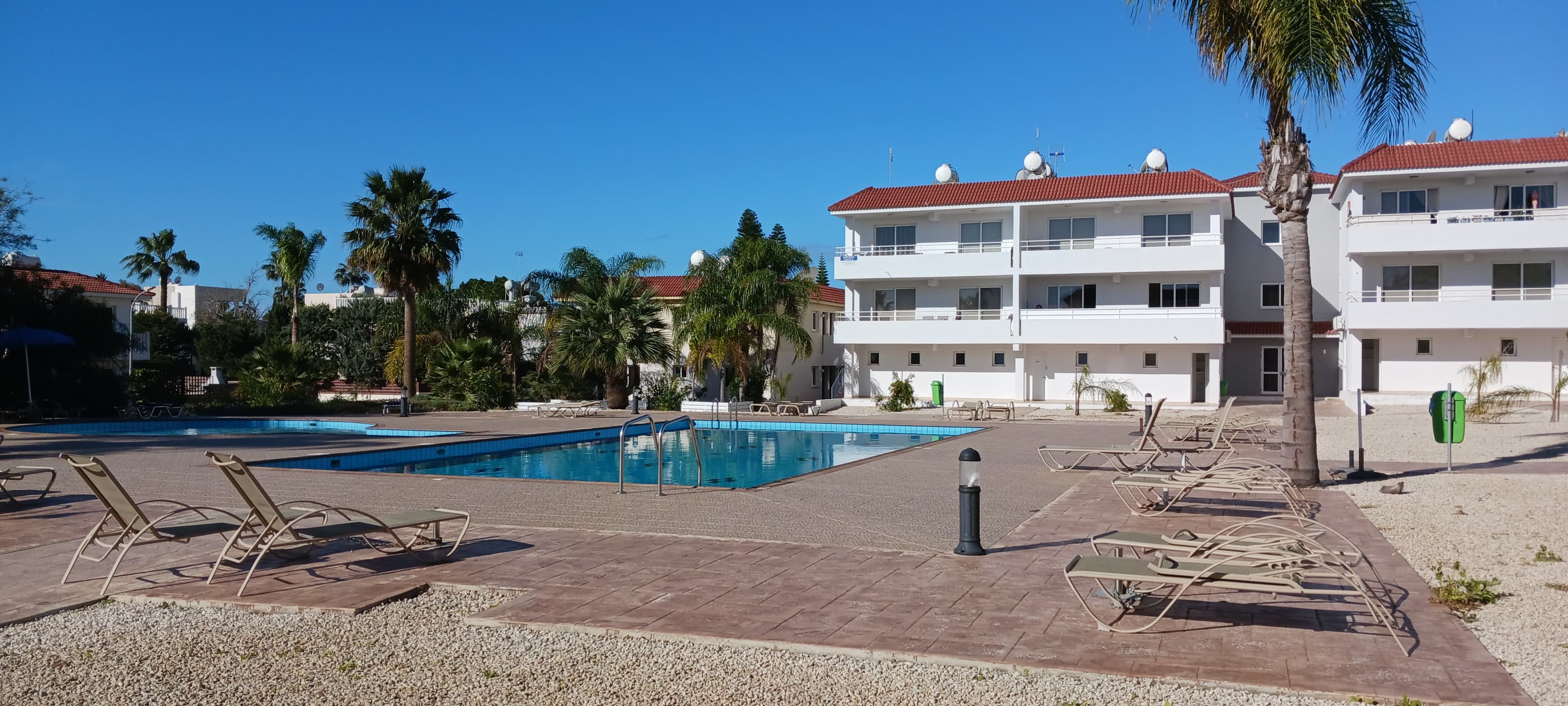
In summer, Nissi Beach is one of the liveliest beaches in the Mediterranean. From December to March it becomes something else entirely: calm, bright and wonderfully quiet, with the white sand and turquoise water almost to yourself. If you picture Cyprus only as a summer party destination, winter here is a pleasant surprise.
This guide is an honest look at what to expect — including the things that are closed.
The weather, realistically
Cyprus has some of the mildest winters in Europe, but winter is still winter. From December to March you can typically expect:
- Mild, often sunny days, frequently in the mid-teens Celsius and sometimes warmer when the sun is out.
- Cooler evenings and nights, when a jacket or a few layers are welcome.
- Some rain and the odd windy day — Cyprus gets most of its yearly rain in these months, which is also why the island looks so green.
The light is beautiful and the air is clear, which makes winter a lovely time for photos and long walks. Just pack for variety: sunglasses and a warm layer, not only shorts.
Can you still swim?
You can certainly walk the sand in a t-shirt on a sunny day, and the famous sandbar out to the islet is still there. The sea, though, is cold in winter — usually around 16–18°C — so swimming is for the hardy rather than the casual paddler. Most winter visitors come for the scenery, the walking and the calm rather than for swimming.
What's open and what's closed
This is the honest part. Nissi Beach in winter is quiet and largely local, and a lot of the summer machinery is switched off:
- Many beach bars, clubs and water-sports operators are seasonal and closed from roughly late autumn until spring.
- Some restaurants aimed at summer tourists also close for the off-season.
- Sunbed and umbrella rental is generally not operating.
What stays open: supermarkets, pharmacies, bakeries and a number of year-round tavernas serving locals. You won't go hungry, but you should expect a calmer, more residential rhythm and fewer options than in July.
Tip: if a particular restaurant or café matters to you, check that it's open before you travel — winter hours change year to year.
What winter is genuinely good for
- Empty beaches and big skies — Nissi and the coves nearby are at their most photogenic.
- Walking and fresh sea air along the sand and the coastal paths.
- Sunrises and sunsets without the crowds.
- A slower, more local feel, where Ayia Napa shows its quieter side.
For more on the wider area in the off-season — including Cape Greco and the coastal trails — see Ayia Napa in winter.
A note on the shoulder months
November and April are not winter — they're shoulder-season months, usually milder and with a little more open than the depths of winter. They can be a sweet spot if you want quiet without the fullest off-season slowdown. The December-to-March window is the truly calm, local stretch described above.
Where to base yourself
Winter rewards a slower pace, and that's easier when you have your own space a short walk from the sand. The apartment featured on this site is a calm ground-floor two-bedroom with a private garden and covered terrace, less than 10 minutes' walk from Nissi Beach — a comfortable self-catering base for quiet, slower mornings. For longer winter stays, the simplest thing is to message me through Airbnb to ask about dates and practical details.
If you're weighing up a longer trip, read why a self-catering garden apartment works well for a long winter stay next.