Ayia Napa in Winter: Quiet Beaches, Cape Greco Walks and Practical Tips
Ayia Napa has a loud summer reputation, but from December to March it shows a completely different character: green, quiet and made for the outdoors. With cool, clear days and almost no crowds, winter is arguably the best time to explore the natural side of this corner of Cyprus.
Here's how to make the most of it — and what to keep in mind.
Cape Greco: the highlight of a winter visit
The Cape Greco National Forest Park, just east of Ayia Napa, is the standout. In the cool winter air it's far more comfortable to walk than in summer heat, and the light over the sea is superb. Look out for:
- Sea caves along the dramatic coastline near the cape.
- Coastal and forest trails with sweeping views over deep-blue water.
- Konnos Bay, a sheltered cove that's beautiful even when it's too cool to swim.
- The little Agioi Anargyroi chapel and the cliffs around it.
Wear proper shoes, take water, and give yourself a few hours. A car makes Cape Greco easy to reach; some people also cycle out along the coast.
Quiet beaches in winter
The beaches don't go anywhere in winter — they just empty out. Nissi Beach, Konnos, Makronissos and Landa are all lovely for a cool-weather stroll, beachcombing or a flask of coffee with a view. The sea is cold for swimming (see Nissi Beach in winter for the details), but the scenery more than makes up for it.
Walking and cycling the coast
A big part of winter's appeal is simply being outside. The coastal path between Ayia Napa and the cape, the sculpture park along the way, and the quiet residential lanes are all pleasant on foot or by bike. Mornings are often calm and bright — ideal for a longer walk before lunch.
What's open, honestly
As with the beaches, expect a calmer, more local town in winter:
- Many clubs, beach bars and seasonal tourist venues are closed from late autumn until spring.
- Supermarkets, pharmacies, bakeries and a number of year-round tavernas stay open, especially those used by locals.
- Opening hours are shorter and quieter than in summer, and some attractions run reduced schedules.
If a specific restaurant, museum or activity is important to you, check ahead — winter timetables vary from year to year.
Practical tips for getting around
- A car is genuinely useful in winter for reaching Cape Greco, quieter beaches and inland villages. Local buses run less frequently than in peak season.
- Daylight is shorter — plan outdoor trips for the middle of the day.
- Bring layers: a sunny afternoon can turn cool quickly once the sun drops.
- Drive on the left in Cyprus, which is handy for UK visitors and worth remembering for everyone else.
Shoulder season vs winter
November and April are shoulder-season months, not winter — usually a touch milder, with a bit more open. They're a good compromise if you want quiet without the deepest off-season slowdown. The December-to-March stretch is the calmest and most local.
A calm base for exploring
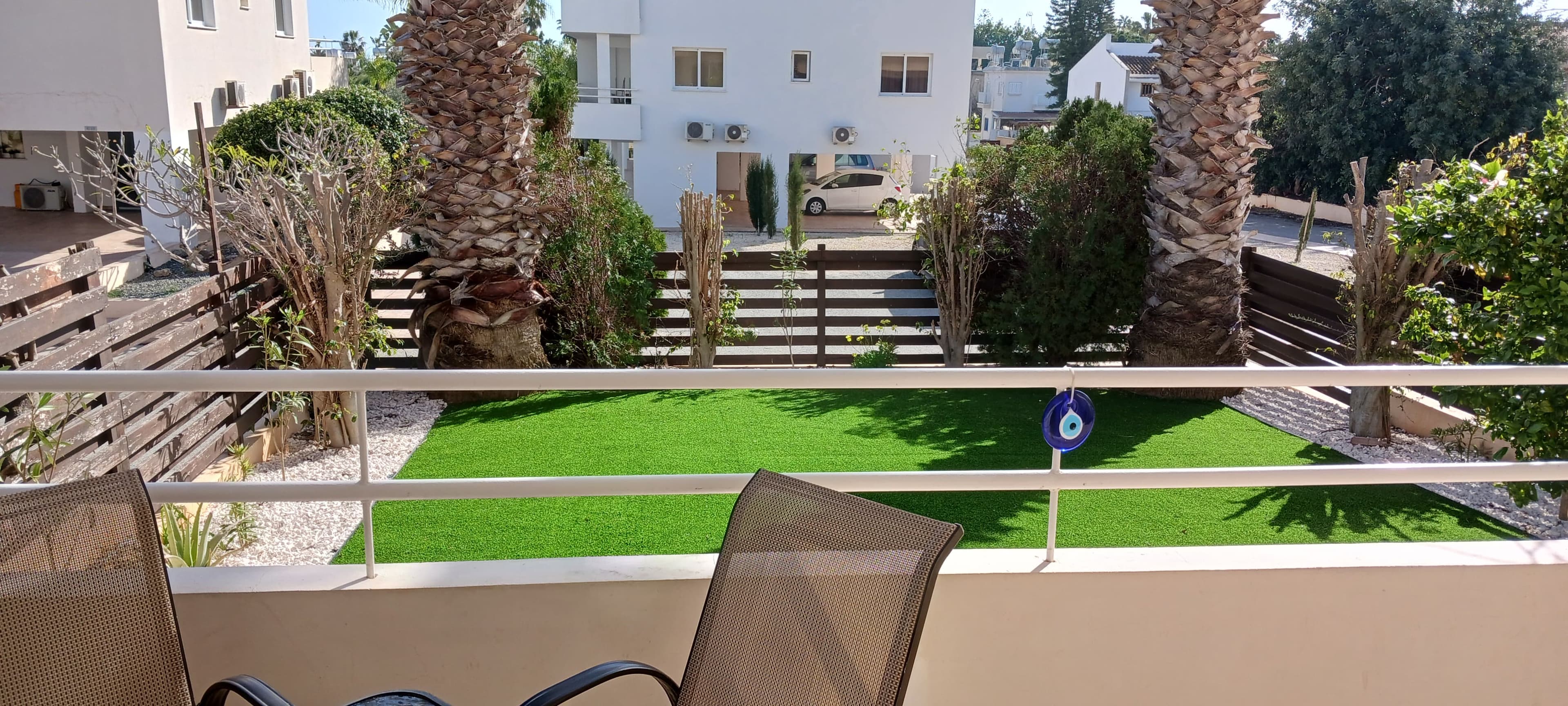
Winter exploring is easier from a quiet, self-catering base where you can cook, dry your walking boots and settle in. The garden apartment on this site sits in a calm residential complex less than 10 minutes' walk from Nissi Beach, with its own terrace and garden — handy for slow mornings between walks. For longer winter or shoulder-season stays, just message me through Airbnb to ask about dates and details.